Even More Films That Changed My Life


I’ve written a few pieces already on some of the films that have really resonated with me and changed my perspective and outlook on life. With my recent exploration on how Mickey 17 is not a film that did this in a positive way for me, it seems apt to give mention to a few more that I do hold in high regard for expanding my own horizons.
 Tom Shaw

And, while not a prerequisite for this piece, you can find the other two instalments of this series linked below:
Tom Shaw Tom Shaw

Contents
- Interstellar
- Pulp Fiction
- Blade Runner 2049
- TRON: Legacy
- The Men Who Stare At Goats
- Soylent Green
- Full Metal Jacket
- CODA
- Exhuma
- Dr. Strangelove
Interstellar
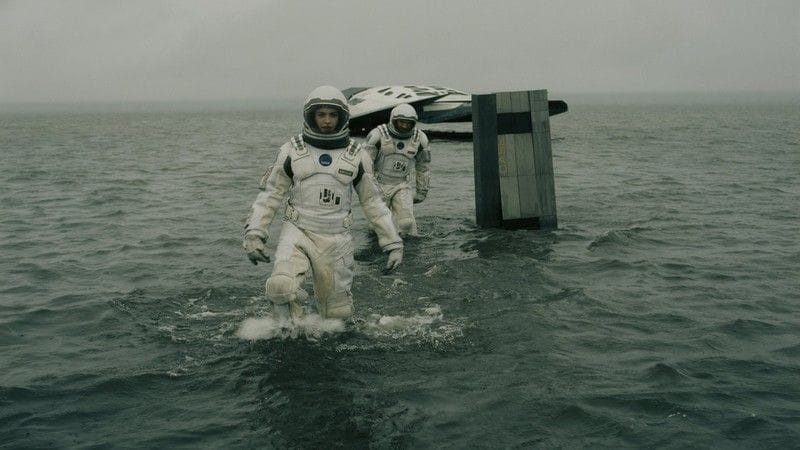
I have a complicated relationship with Interstellar. On the one hand, it pushes narratives about space exploration and the faking of the moon landings in a way that I feel is intentionally there to ridicule those who question the nature of space.
On the other hand, we get beautiful sequences about the atemporal nature of our higher selves and the higher dimensions that we can access. There’s even some poetry, in the form of Michael Caine’s character reading an excerpt of Do Not Go Gentle Into That Good Night by Dylan Thomas. It gets a brownie point for that.
Pulp Fiction
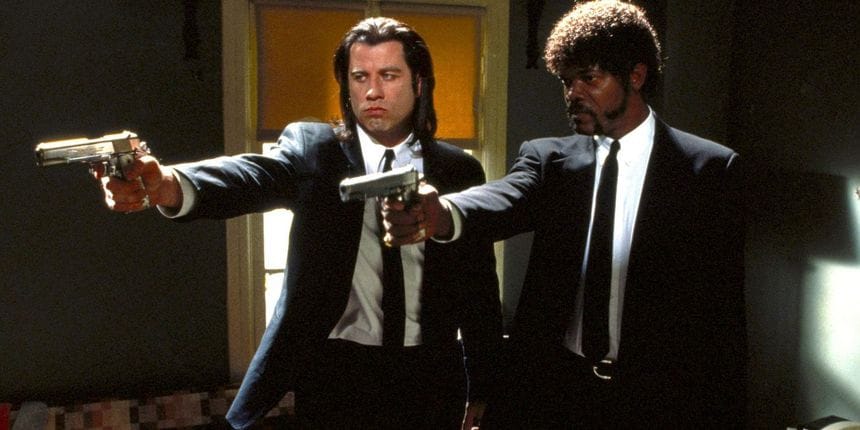
I nearly put Reservoir Dogs on this list instead of Pulp Fiction just to be a contrarian and not have the most-beloved Tarantino film as one of the films on the list. I like both films very much, but there’s a reason why Pulp Fiction ends up on so many lists.
Pulp Fiction was released at a time when most studios were focusing on somewhat sanguine PG-13 films in an attempt to appeal to a mass market. Pulp Fiction chose a far more contrarian route by going for something far more gritty, unconventional, and with some very stylish dialogue. It’s aged particularly well as a result, and I suspect it’ll continue to do so.
Blade Runner 2049

I’ve already confessed my love of the original Blade Runner in a previous instalment, and it feels even better that its sequel, made 35 years after the original, is just as worthy of being included on this list, in an era where so many other sequels are just nostalgia cash-grabs for the studios that own those IPs.
On top of being a very stylish film visually, it has its own story to tell that doesn’t rely at all on the original film to support itself. Like the original, it still explores what it means to be “human”, and whether robots and AI could ever really become human, and what should happen if AI became self-replicating in physical form. An absolutely worthwhile exploration in our current social climate.
TRON: Legacy

While Blade Runner 2049 is visually stylish, it has nothing on TRON: Legacy. Designed as both a soft reboot and a sequel to the original, it seems to be one of the only franchises Disney owns that they haven’t yet desecrated. Combining a meaningful exploration of absent fathers with the perils of becoming consumed by our creations, all in a brilliantly-packaged sci-fi spectacle, I can only hope the new TRON: Ares can capture some of the same magic that this film was able to.
The Men Who Stare At Goats
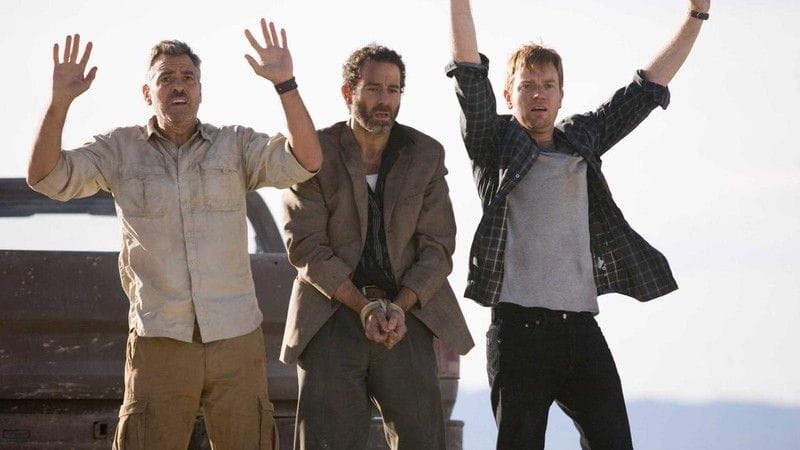
Does the CIA really have trained agents who can do mind control tricks and psychic powers? Was this film made to try and pass off their attempts as “larger than life” when, in reality, this phenomena really does exist?
It’s a topic that often gets laughed off as something truly silly, and yet we know that so many governments and powers of the past, even in recent history, have believed we have far more control of physical matter with our minds than most would believe. I would encourage you to watch this film and make your own decisions.
Soylent Green

It was Lluvias Trozzi who introduced me to Soylent Green with his investigation on the cannibalism narrative in institutional media outlets. Given the prevalence of highly-processed food in our diets and prevailing anti-human ideas amongst world governments, Soylent Green begins to feel more and more prophetic with each passing day. I can’t think of any films that tackle food supply and human morality in a more convincing way than this.
Tom Shaw
Full Metal Jacket

I suspect that Hollywood manufactured anti-Vietnam War films to create the impression that there was resistance against the US’s actions in the country when, really, there wasn’t. I now wonder if the same is going on with the current conflict in Gaza, with just enough dissent to become acceptable in media discourse, and stories of individuals being persecuted for taking the side of Palestinians, to make the majority of people think that there’s some kind of resistance happening and that they don’t need to take action.
Tom Shaw
These films still make for excellent cinema for many other reasons though, which Full Metal Jacket absolutely proves. The standout for me was Vincent D’Onofrio’s performance as Pyle - a young recruit turned mad by the demands of his training and the bullying he experiences. It is highly captivating, and one that has shaped my other in-progress works on the impact of war on young men.
CODA
CODA is the most recently-watched entry on this list, and one that I didn’t expect to impact me as much as it did. The film follows a deaf family who rely on their hearing daughter to essentially make their lives possible, forcing a tremendous amount of pressure on her and inhibiting her own ability to fully develop into her own sovereign individual. Couple this with the communication issues that the family has with the rest of society, and it becomes a powerful allegory for anyone who’s found themselves trapped sacrificing their own needs for others to take advantage of. That’s what made it stick in my mind so vividly after I’d finished watching it.
Exhuma

I struggle to understand why this film reviews as low as it does. Exhuma feels incredibly refreshing for a horror film, with a great premise and a great twist, interweaving elements of Asian mythology, folklore, cultural superstitions and generational trauma - all things that massively piqued my interest. The message I took away from this film is that it’s a bad idea not to honour the past… and if we do, there is still a pathway there for us to resolve it. It doesn’t mean it’ll be an easy or painless process, and probably quite the opposite, but it’s absolutely worth it.
Dr. Strangelove
or: How I Learned to Stop Worrying and Love the Bomb

Another Kubrick film? Absolutely. His films feature a lot in my film lists, and for good reason. This one mocks the absurdity of mutually assured destruction of nuclear war, with Peter Seller’s multiple roles all standing out.
I find it interesting that, while the character of Dr. Strangelove has gone on to inspire many other characters in famous films (including other films I’ve included in the other lists, Network and Brazil), the character himself is inspired by Rotwang, the mad scientist of 1927’s Metropolis. I’m very familiar with the character thanks to my recent re-translation of the novel version, which you can find out more about below:
Tom Shaw