How Globalism Kills Literature
Creating the case for local art and local literature
Do you know who your local plumber is? What about your local electrician is? Your local mechanic? Maybe even a local farmer?
We can instinctively see the value of these types of connections in our local area. Having someone we can personally identify and trust is vital for those occasions where we need to let them into our homes to repair something, or provide food or goods that we know have been ethically made.
Do we do this for our local creatives? For physical art, definitely. Many types of “fine art” have long had a history of prestige seeing the highest expressions of the form swallowed up by aristocrats, the church, royalty, and any other families with abundant wealth. On the flip-side, this has developed a much richer culture of decentralised art communities that paint, draw and create for the interest of others within their communities, who want the pleasure of putting something striking upon their wall without being able to afford a Monet or a Rembrandt. In “going local”, they also build a direct connection with the person who created it.
Music is a little different, but there is still an aspect to music’s creation and sharing that very much is local. There are major artists whose work is readily accessible and heavily marketed on a wide scale, whether through streaming or physical media, but whom to see live is becoming increasingly expensive - and often too expensive - for many people. Here’s where the local musician becomes a valuable asset to a community: they provide entertainment in live contexts where the famous figures of the industry can’t. There’s always a place for live music in bars and clubs, at weddings, local fairs and many other places. And, like with painters or other physical artists, there is something rewarding about celebrating a local musician’s work, whether they are busking on a street with covers of Oasis or performing original material.
Theatre and dance, too, have stronger connections with the local community, given how it is inexorably tied to a physical stage and location. A theatre house has no choice to employ local actors to be in their shows, as it’s often impractical to regularly bring the greatest talent from the farthest corners of the globe unless there is a specific show or act on tour.
All these kinds of offerings generally do not scale to a “global” stage without losing the tangible impacts they have on the communities they originated from - if they truly scale at all.
But what about literature? Can you identify a local author in your community? Do they produce books and written works that directly enhance their local communities… or are their publishers getting them to chase the “Amazon Bestseller” tag and nationwide book tours, with a token local book signing only happening because friends of the author will help with the initial sales figures?
I suspect a lot of what we see is due to authors being deliberately incentivised to write books for an over-generalised national and international audiences first and foremost - and to become a “career” author out of it.
Although this model emerged in the 50s, it could never be sustainable, and ignores the processes that led to the creation of some of the greatest works of literature ever produced. Joseph Heller produced Catch-22 through writing in the evenings following his day work with a local magazine. Anthony Trollope produced more than two dozen books while working at the post office. William Faulkner wrote As I Lay Dying on free afternoons before heading into work as a security guard in the evenings.
These were not authors who were writing because they were driving themselves to become international bestsellers: they were writing because of a compulsion to create a story that they knew needed telling.
Works like Watership Down take this a step further. Originating from stories that the author Richard Adams would invent to entertain his children on long car journeys, it was actually his daughters who requested he turn it into a book. After much delay and hesitation, he ultimately did to great (and well-deserved) acclaim. Here we have a clear case of a book being created to directly service the needs of those in his immediate sphere. Other notable works of the past also owe their service to the requests and desires of people other than the author - including The Hobbit, Alice’s Adventures in Wonderland, The Wind In The Willows, The Strange Case of Dr. Jekyll and Mr. Hyde amongst many others.
 Tom Shaw
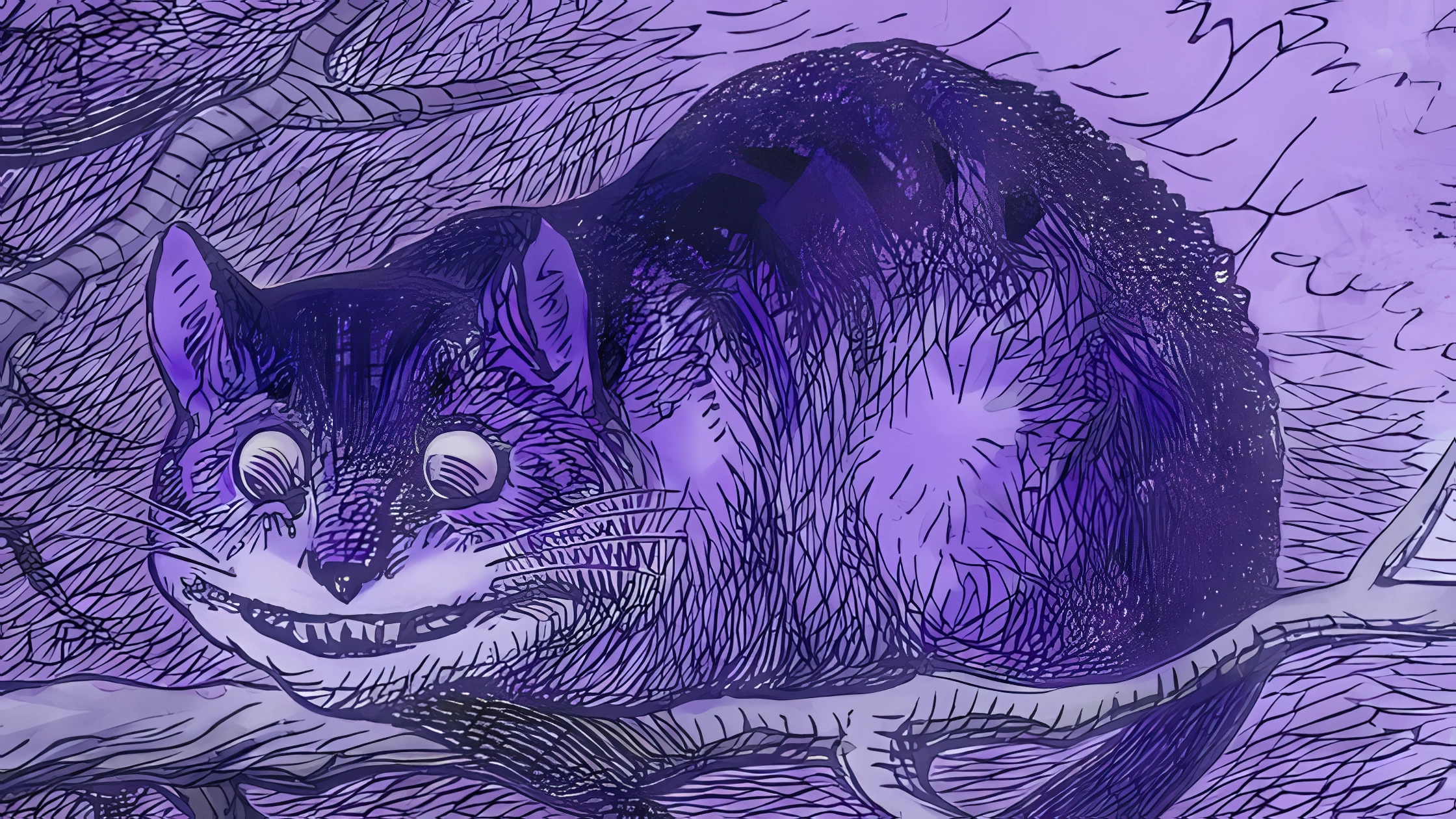
Trace this lineage of great literature all the way back to our earliest recordings of storytelling - works like The Epic of Gilgamesh and the Homerian epics - and we see literature existing primarily as a teaching tool for others. These were not purely born from the whims of their authors hoping to be catapulted to international stardom. They had a direct reason to be created that benefitted the community around them first and foremost.
Of course, as well as being stories, the works I have mentioned are also epic poems - and poetry has this unique quality of straddling both literary and performing arts. Something interesting that came up in my dive into local poet Henry Price is how his poetry book was directly funded by other wealthy patrons situated in Poole - and indeed, many of the poems included in the book are commissions by them or are epitaphs designed for the headstones of family members they lost. Furthermore, Price’s poems were created as an aside from his main work as a land-waiter. While it was clear that he loved his craft and was passionate about his work, he valued the service it was giving to his community above anything else.
Tom Shaw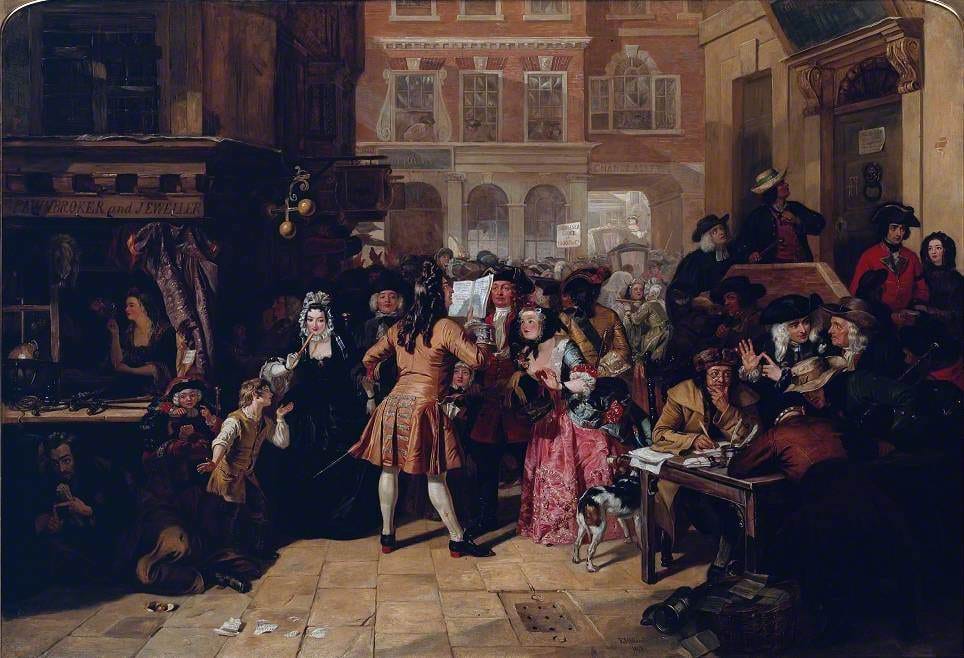
In Price’s story, I see a model of the poet - and, by extension, the storyteller - providing a valuable service to the community in just the same way that plumbers, electricians and farmers do. This is a model where local community and local needs are the starting point of the creation. Moreover, this can be achieved with zero compromises to an artist’s creative license or integrity.
Currently, we have a situation where the global marketplaces like Amazon are flooded with hundreds of thousands of new books each year, very few of which respond to the specific needs and desires of the people who could be reading them. The major publishing houses, too, aren’t selecting titles to publish based on the actual needs of those that inspired the books creation. They’re chasing the popular trends, cashing in on nostalgia, or exist purely to promote political ideologies packaged as “neutral” media.
The biggest sections and some of the best-selling new books in US bookstores right now are Asian mangas - because they’re mostly writing inspiring stories about morally-good characters who stick to their principles in the face of evil. They’re often not chasing “inclusivity” or the cliches and tropes of other popular genres. They’re just hear to tell a good story that people need as a respite in these times of darkness. That’s why people are buying them.
If Western audiences are willing to read mangas - which are literally read back-to-front compared to English-language novels - just to find a good story, then this actually bodes well for the viability of “local” literature. It shows people are desperate to support stories and creative works that meaningfully address the themes and challenges they are facing in their own lives. Agenda-driven global narratives of “climate change”, “white-man-bad”, “health emergency”, “terrorism” and beyond - irrespective of their basis in reality - ultimately mean very little to real people with real lives, even if they “buy in” to those ideas.
This is even before considering other indirect benefits that supporting local creatives has. Money spent by locals on local arts is going straight back into the local economy, helping those creatives pay for good-quality local food and goods. There’s the social cohesion aspect, too - art and storytelling are some of the most powerful tools for connecting people across ideological divides for the benefit of everyone.
Then, when something so profound is created that it has a resonance and benefit beyond the specific geography that birthed it, there’s a valuable opportunity for a community to rally together behind supporting that creative - who has helped them so much - onwards. To rally together for a cause greater than any one of them individually: for great art. And when done right, this can pay dividends back into the community. This is a phenomenon we partly see in the music world, with the stardom of acts like Pulp and Arctic Monkeys bringing their Sheffield-rooted lyricism to an international stage, “putting the town on-the-map”. Where the model doesn’t quite complete, however, is when artists lose sight of the community that shaped them in search for that “global” or “non-local” relevance - something the Arctic Monkeys have found themselves contending with.
But this doesn’t have to be the case at all. Art can continue to originate from a community-centric place even after a “big” success. And if these are the conditions that have produced some of the greatest art from every generation across multiple media, then perhaps aspiring creators and supporters of these endeavours should take note.
So I’ll leave you with the question: Do you know your local creatives? And if the answer is no, maybe it’s time to find out who they are, and see if they’re willing to be of service to something you’re working on. It might just produce something life-changing for everyone.
In keeping with the theme of this piece, I’ve recently launched a new initiative, The Writing Room, to bring together local people with local writers to explore how the act of writing can enrich local communities - with an opportunity for attendees to have-a-go themselves. I see this as a necessary starting-point for reviving a truly self-sustaining culture of local arts enhancing a local community before travelling onwards. If you’re in Dorset in the UK, consider coming along to the first one on Tuesday 16th June:
If you can’t be there, you can still support my work through purchasing my poetry book or joining the Sovereign Poet Society, either as a reader or as a poet.
Thank you for making time to read this piece. I look forward to bringing you more soon.
With gratitude,
Tom