The Power To Say No
Piece #2 in the Pushback Poetry series on the Solari Report is now available.
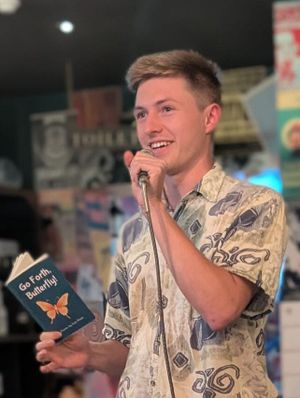

The second instalment of my Pushback Poetry series, The Power To Say No, is now available on The Solari Report. In this piece, I examine two of my favourite poems which each say “no” to the lowering and subjugation of the individual in their own way: Ozymandias by Percy Bysshe Shelley, and A Psalm of Life by Henry Wadsworth Longfellow. Here’s a short extract from the piece:
The use of poetry to challenge (or say “no” to) the status quo is as old as the art form itself. In the poems of the ancient worlds, the drawing of our attention to particular scenes, images, or juxtapositions of images is what encourages us to challenge our framing of an issue or idea, precisely through changing the way we observe something—leaving us as readers to meditate on our relationship to the idea presented. This tradition of finding wisdom through differing observations and “facets” of natural phenomena is particularly rich in Eastern poetic history—and is exactly what Alastair Crooke highlights in his recent Solari Builders lecture as one reason why Western governments often struggle to understand such civilisations.
Although there have been examples of this style of poetry in the West, it’s also true that the Romantic period in art encouraged a movement toward poetry representing the consciousness of the individual—and with it, often a delivery of a moral idea or argument. There are great examples of this kind of poetry that keep the context of the “observation” intact, and we get powerful results that inspire and elevate us to say “no” in the face of evil and tyranny. Perhaps this is why poetry, like other art forms and entertainment, has taken to abandoning that element of critical observation while sticking to the projection of “preferred” worldviews. Now, “approved” arts come with the expectation that the audience must go away and act in accordance with the framing, agenda, or narrative put forward—regardless of its adherence to truth or not. The decline of contemporary arts into propaganda is just one of the many flavours of social engineering in the ice cream parlour of Mr. Global, right next to similar flavours of postmodernism, the scientism of Covid, technocracy, omniwar, and so forth.
But those poems that do give us a taste of freedom—a taste of what it’s like to resist meaningfully and morally, a taste of the triumph of the human spirit over the suppression of the innocent—are still available to us.
You can read the full piece for free at The Solari Report’s website by clicking the button below:
Reading the first piece is not a prerequisite for reading this one—but it will likely increase your appreciation of the material I present here. You can find out more about the series and the first piece at my article below:
 Tom Shaw

Furthermore, if you’re based in the UK and would like more insight on how to activate that power within you to “say no” where it matters most, you would be well-served by the upcoming Illuminate and Elevate this Friday in Regent’s Park, London.
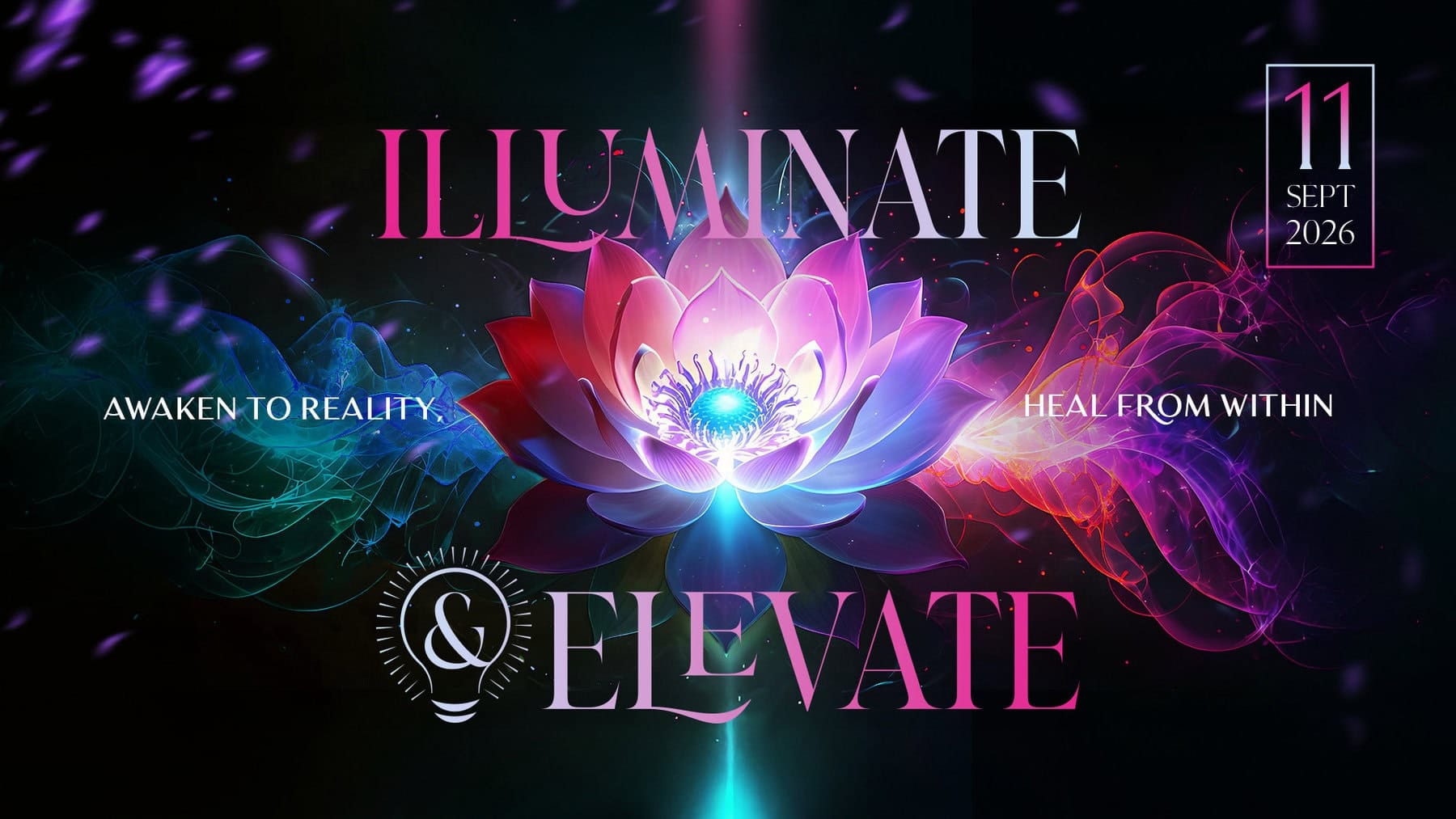
Not only will I be giving my own presentation to kick off the day on the power of our words (and poetry!) to change the world around us, but there’ll also be great insights from the likes of Dawn Lester, Steven A. Young, Steve Falconer, Loukia Papa, Dave Mannall and Mark Devlin to give a complete picture on how it is we can stand in our sovereignty.
If you’d like to come along, you can grab a ticket using the button below:
Thank you for making the time to read this piece. I look forward to bringing you more soon.
With gratitude,
Tom